One of the most common questions we get is:
“Should I repair this, or is it finally time to replace it?”
Fair question.
Nobody wants to replace an AC system too early. But nobody wants to keep throwing money at an old system that is clearly headed the wrong way either.
The tricky part is there is no one-size-fits-all answer. Age matters, but age alone does not make the decision for you. A newer system can still have serious problems, and an older system might still be worth repairing if the rest of it is in decent shape.
The real answer usually comes down to a few practical things.
1. How old is the system?
Age is part of the conversation, just not the whole conversation.
If the system is relatively new and the repair is straightforward, repair usually makes sense, especially since warranties may still be in effect that cover part of the cost.
If the system is older and starting to stack up repairs, replacement starts becoming a more serious conversation.
That does not mean every older system needs to be replaced tomorrow. It just means the margin for “let’s keep patching it” starts getting thinner.
2. What actually failed?
This matters a lot.
Some repairs are common wear-and-tear items:
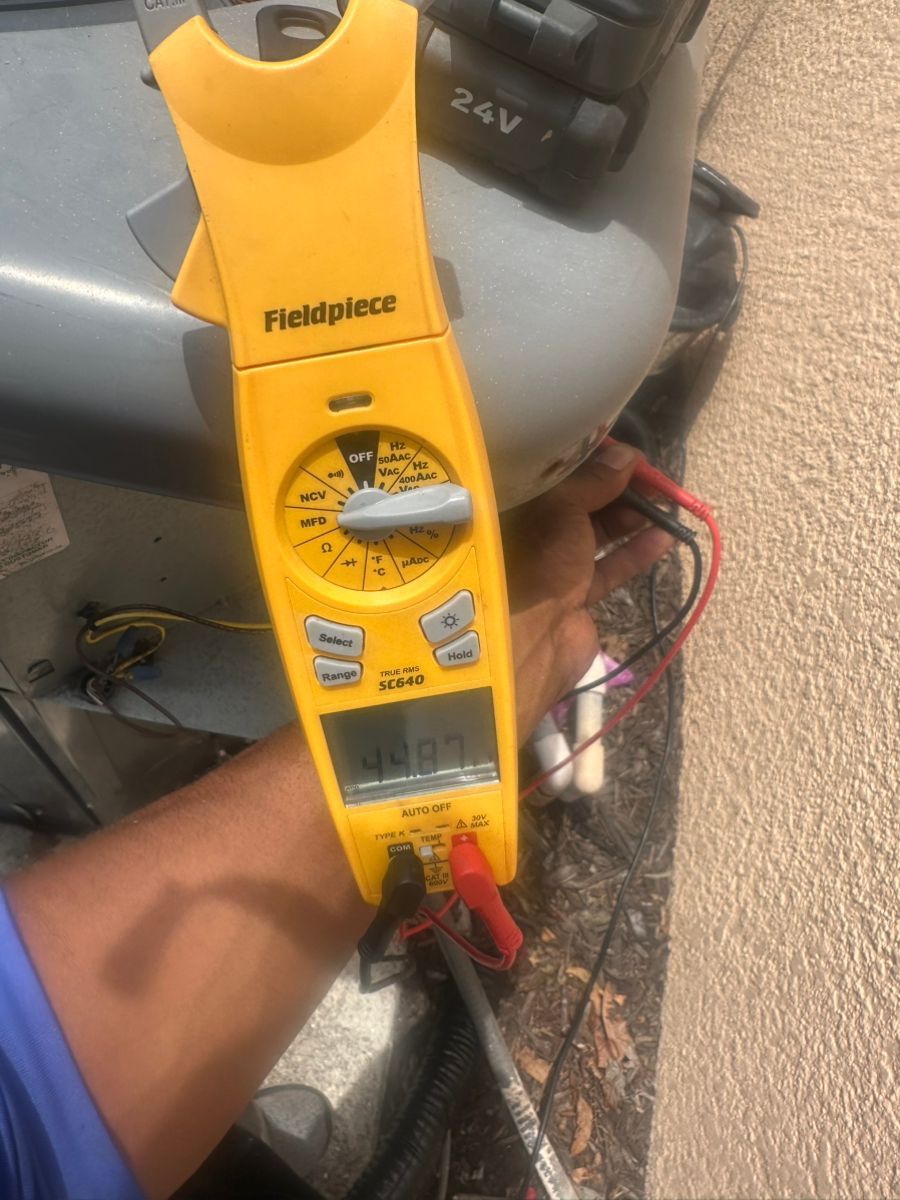
- capacitor
- contactor
- float switch
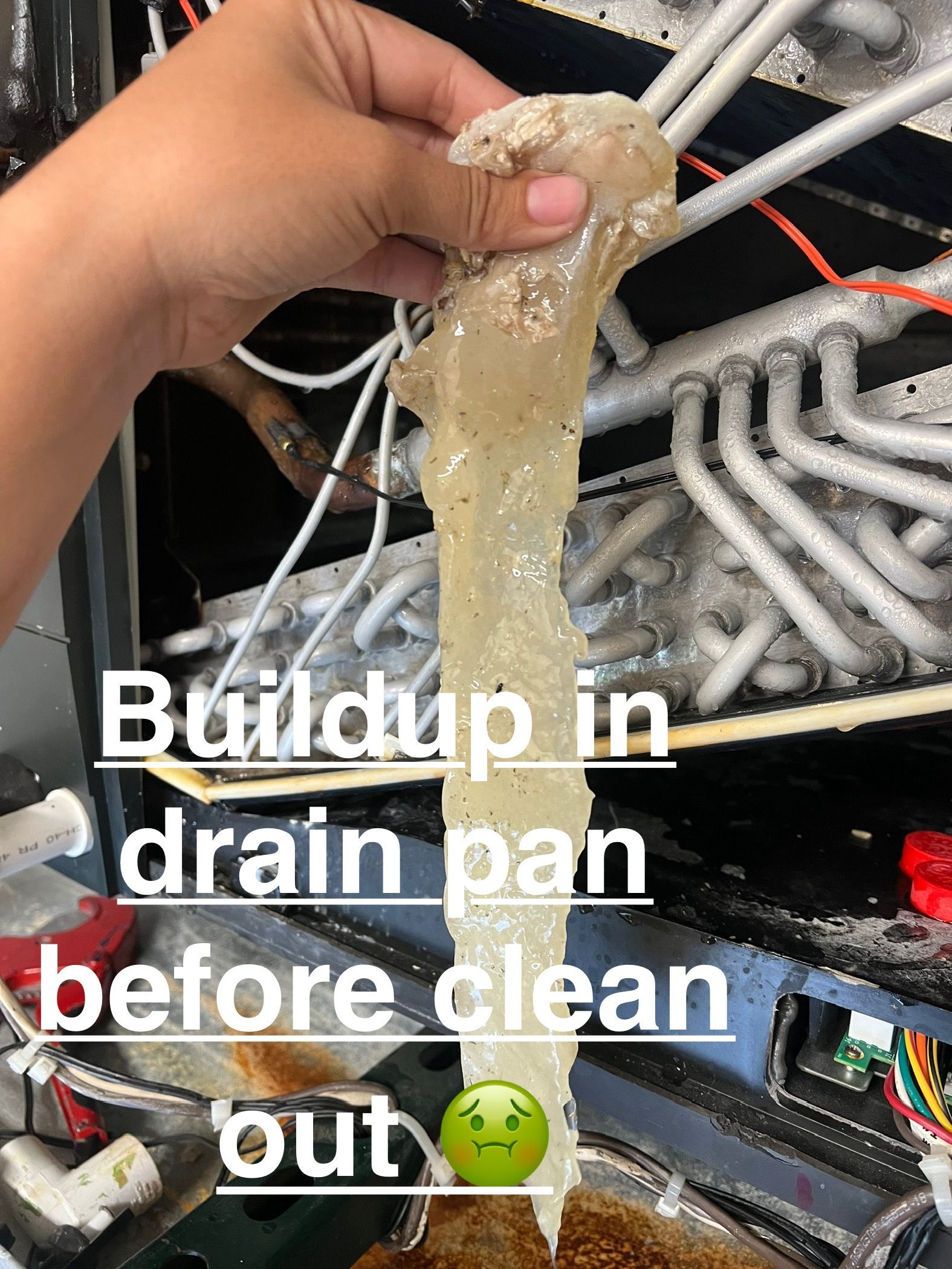
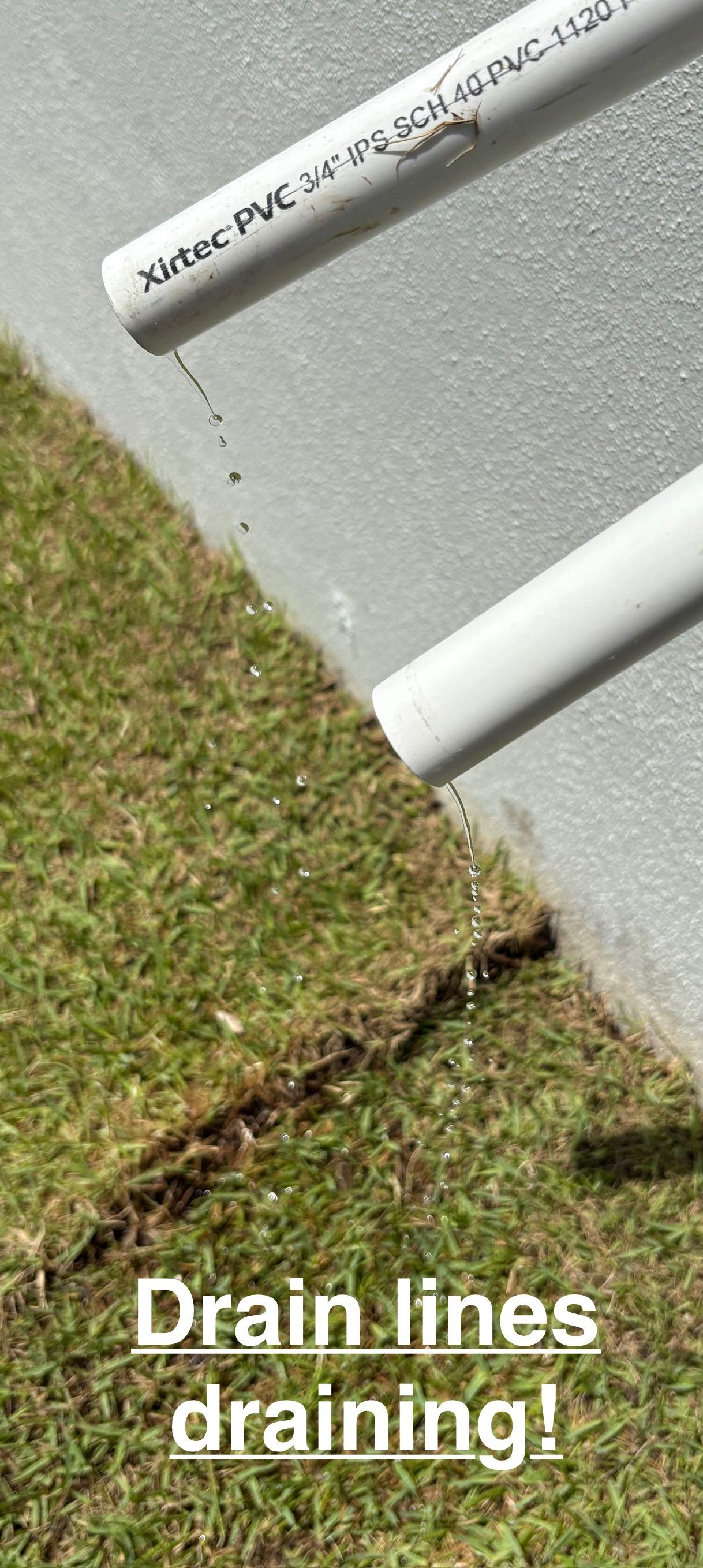
- drain issue
- thermostat issue
Those are not automatically “you need a new system” problems.
On the other hand, bigger failures can change the conversation fast:
- compressor issues
- evaporator coil leaks
- major refrigerant problems
- obsolete models
- retired refrigerants
- incompatible components
- repeated electrical failures
- heavy rust or physical deterioration
- multiple weak components at the same time
- expired parts warranties
Said another way, replacing a common wear item is very different from trying to breathe life back into a system that is wearing out in several places at once.
3. Is this the first repair, or the latest repair?
This is one of the biggest clues.
If this is the first real issue in a long time, repair may be the obvious answer.
If the system has become one of those “it’s always something” situations, that is usually a sign the bigger picture matters more than the single repair in front of you today.
A lot of property owners do not mind paying for a repair.
What they hate, is paying for a repair, then another one, then another one, while still wondering if the system is going to make it through summer.
That is where replacement starts making more sense — not because of fear, but because of pattern. When one component fails, it can cause unnecessary strain on other components, causing a snowball effect across the system.
4. Is the system keeping up the way you want it to?
Sometimes the repair question is really a comfort question.
Even if the system technically runs, is it:
- keeping up in the hottest part of summer?
- controlling humidity well?
- moving enough air?
- cooling all rooms evenly?
- running quietly?
- costing more than it should to operate?
If the answer is no across the board, a repair may fix the immediate failure without solving the bigger problem.
That is when it helps to step back and ask:
“Do I want to keep repairing this system, or do I want a system that actually fits how I want the house to feel?”
5. What shape is the rest of the equipment in?
Sometimes the failed part is not the whole story.
If we see a failed component on a system that is otherwise clean, stable, and in decent condition, that points one direction.
If we see that same failed component on a system with:
- poor airflow
- heavy dirt buildup
- rust
- drainage problems
- worn wiring
- aging insulation
- deferred maintenance
- signs of repeated stress
...that points another direction.
This is why we do not like making “repair or replace” calls based on one symptom alone. The overall condition matters.
6. Will the repair actually buy you time, or just buy you another bill?
This is really the heart of the decision.
A good repair buys you useful time.
A bad repair just delays the obvious.
Sometimes a homeowner knows they just need the system to make it one more season. That is a real goal, and sometimes that is the right call.
Other times, the repair cost is heading toward the point where it makes more sense to put that money toward a system you can actually count on and is covered by warranty for years to come.
Neither choice is automatically wrong. It depends on what you are trying to accomplish.
What should not decide it by itself?
A few things should not make the decision alone:
“It’s old.”
Age matters, but old does not automatically mean done.
“It broke once.”
Even good systems need repairs sometimes.
“It still turns on.”
Running is not the same as running well.
“Someone said I should replace it.”
That is not enough by itself either. You should understand why.
Our approach
At Siggs AC, we try to keep this conversation simple.
If a repair is available, we will tell you.
If replacement is required due to obsolescence, we will tell you that too.
And if you are in that middle zone where either option could be reasonable, we will explain each option clearly so you can decide what fits your home, budget, and plans.
No hard sell. No dramatic “this thing is a ticking time bomb” speech.
Just a real conversation about where the system stands, and letting you decide the best path for you.
The Siggs takeaway
Repair vs replace is usually not about one part. It is about the bigger picture.
How old is the system?
What failed?
How often is it needing attention?
How well is it actually cooling and dehumidifying your home?
And will this repair really move you forward, or just delay the next problem?
Simple. Clear. No-pressure.
The goal is not to sell a super fancy replacement every time something goes wrong. The goal is to help you make the right choice for your space.