When your AC stops cooling in Southwest Florida, it is easy to assume the worst. A lot of homeowners immediately think it must be low on refrigerant or that the whole system is shot. Sometimes that happens, but a lot of
no-cool calls actually come from common wear & tear issues that are
preventable. At Siggs Air Conditioning, our maintenance and diagnostic process is built around finding the real cause, not guessing. Here are our Top-3 most common no-cool calls, we're not going to count the thermostat user error if you aren't!
1. Your system is "off on float"
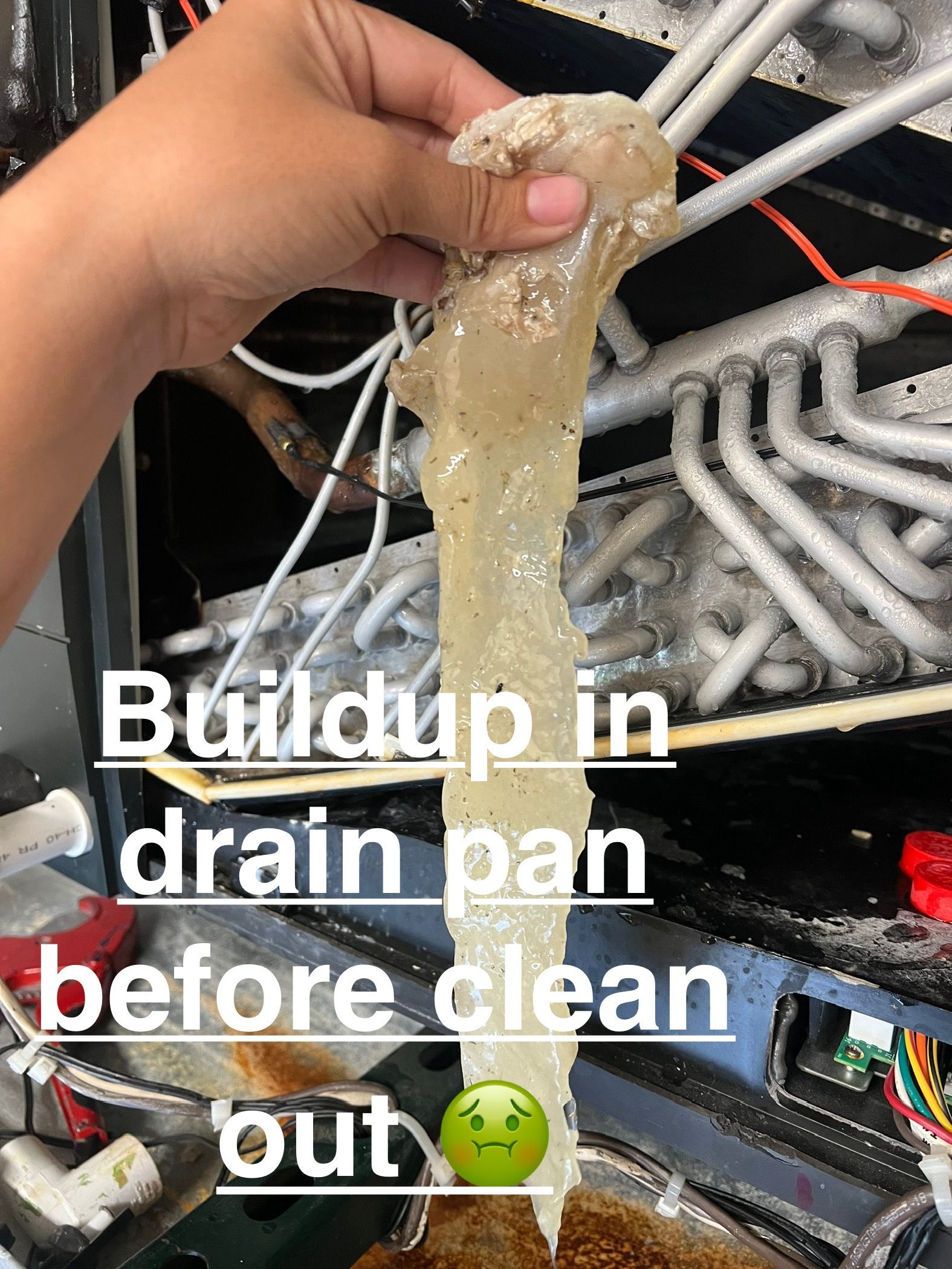
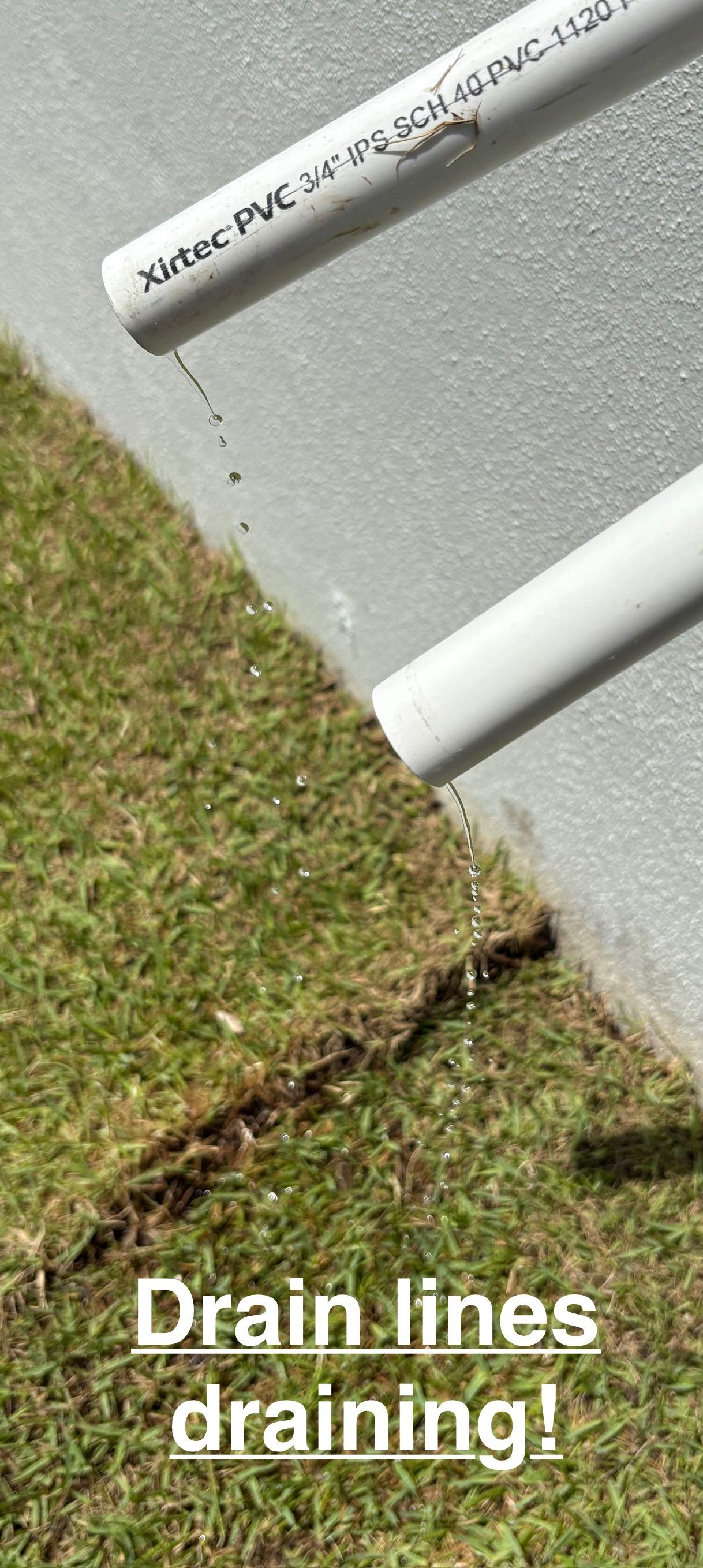
As a safety precaution, your AC system is designed to shut itself off when the condensate drain line backs up, which means it tripped the float switch. That safety switch is there for a reason: to help prevent water overflow and damage. You may not notice the first time, since the pipe may gradually drain and release the float switch in a few minutes, turning the system back on. Over time, that clog only gets worse, to where the system stays off long enough you feel the heat.
Our SOPs (standard operating procedures) treat drain and moisture control as a critical part of preventative maintenance, including flushing the primary drain, verifying float switch funcionality, and adding approved drain treatment when appropriate.
Said another way, the system may not be broken at all — it may be working correctly, protecting your home from a condensate drain overflow.
2. Restricted airflow from a dirty filter or dirty indoor components
Another big one is airflow restriction. Not sure where you AC filter is? That means it's time to change it!
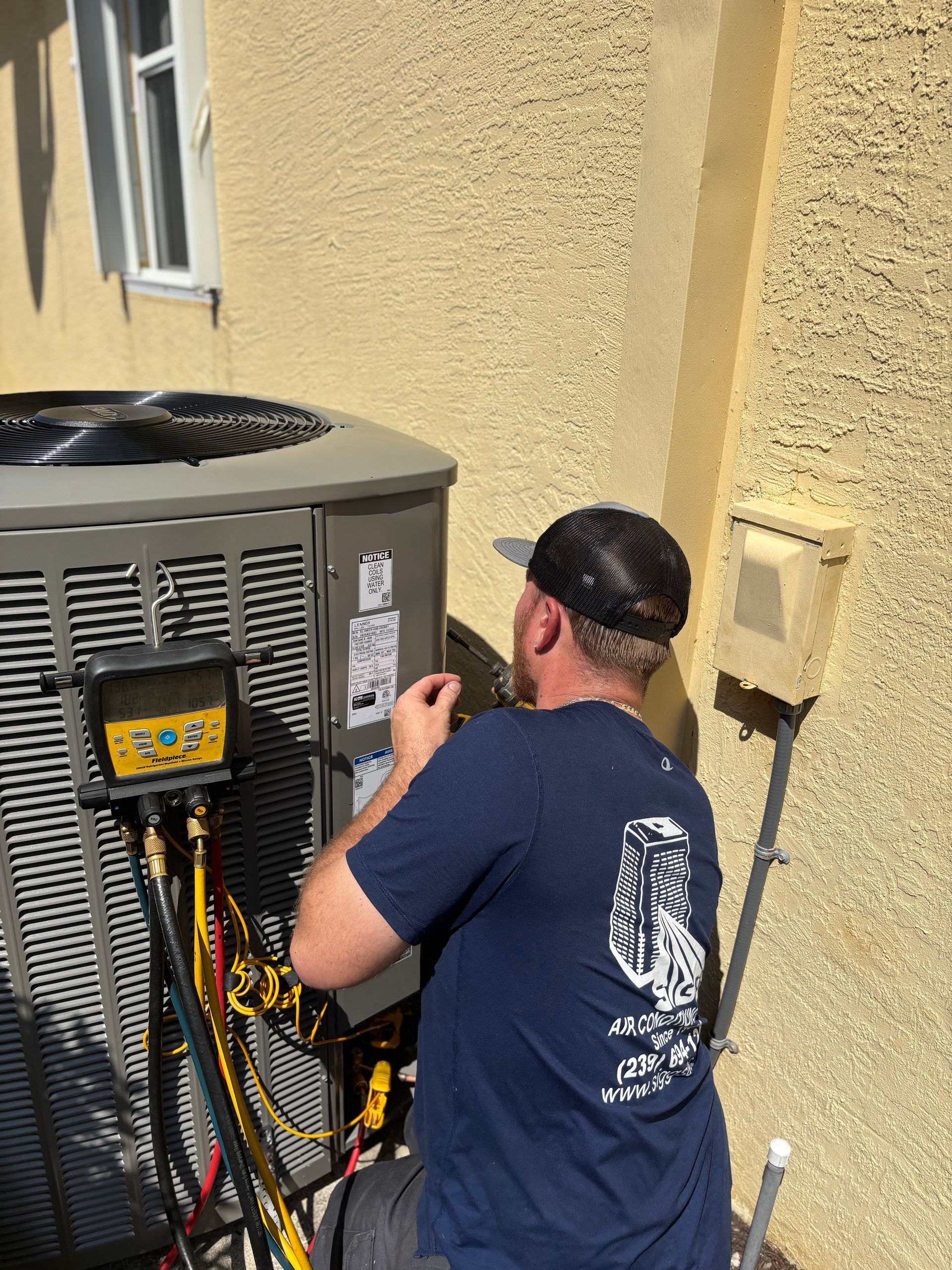
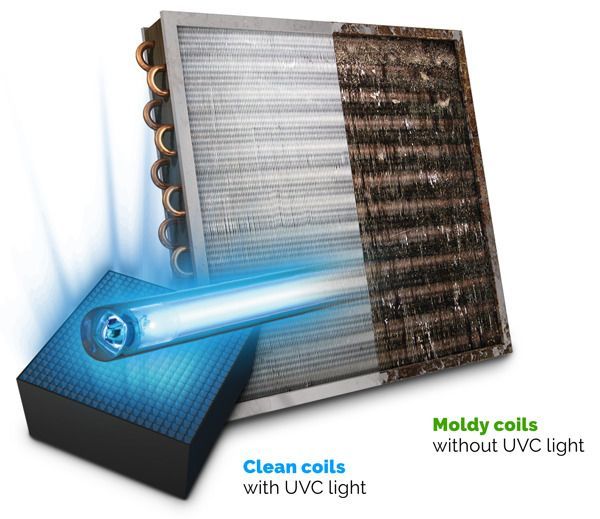
If the filter is heavily impacted, the blower wheel is loaded up, or the evaporator coil is dirty, the system can struggle to transfer heat properly. That hurts comfort, increases static pressure, and can contribute to freezing, weak airflow, and poor cooling performance. As part of our non-invasive maintenance SOP, we check static pressure, which is the air pressure pulling through your AHU. We check static pressure before and after the filter, which allows us to determine if the source of the issue is simply a dirty or incorrect filter, or a larger concern.
This is one of those issues that starts small and gets more expensive the longer it is ignored. Said another way, a “dirty filter” can absolutely turn into a bigger no-cool complaint by clogging up other components in the system and making it work harder than necessary.
3. A weak or failed capacitor
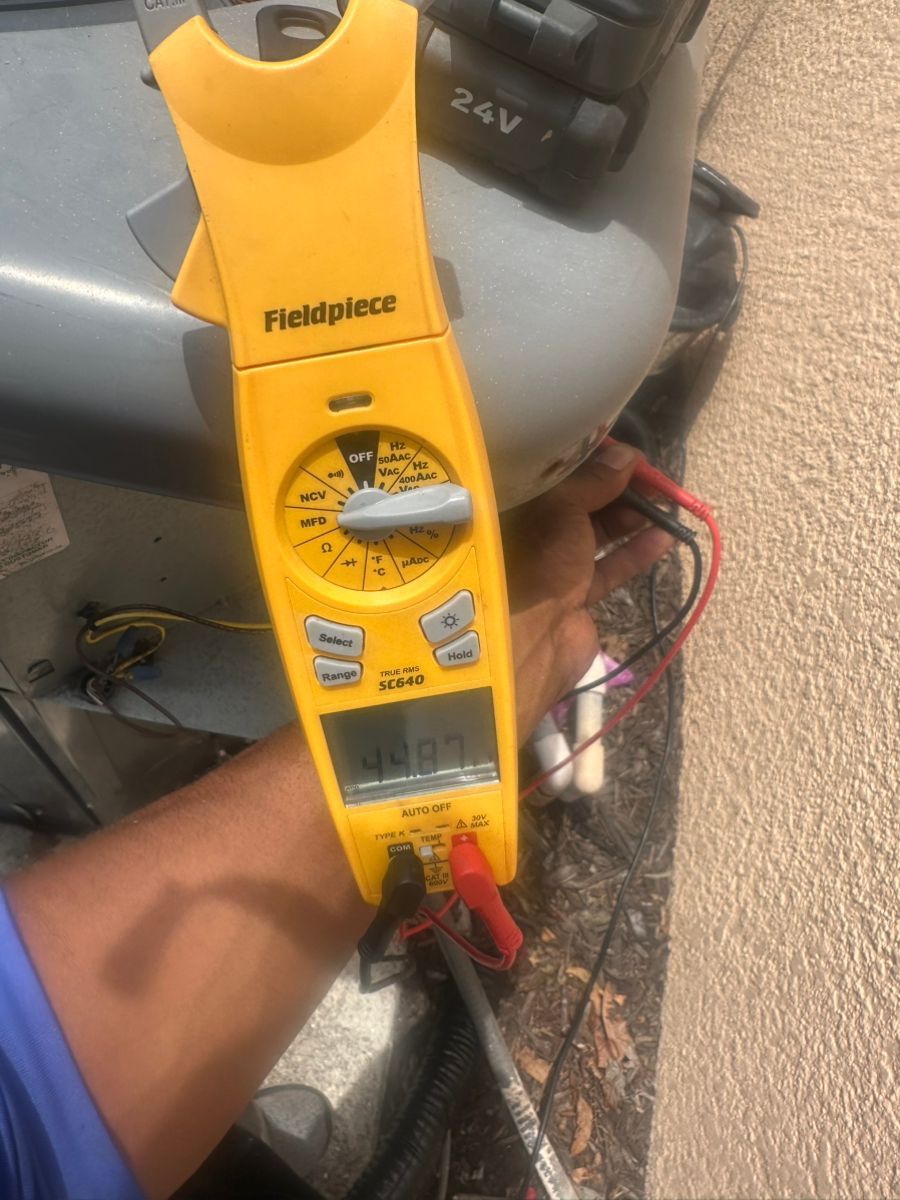
Capacitors are one of the more common electrical failures leading to no-cool service calls. Capacitors help motors and compressors start and run properly, and when they weaken or fail, your unit may not start correctly, the fan may not run as it should, or the system may act dead even though the thermostat is calling. Like the battery in your TV remote, eventually the charge declines through normal wear and tear, and the capacitor must be replaced.
The important point is not just “capacitors go bad.” It is capacitors are exactly the kind of wear item that can often be caught during maintenance before it strands you on a hot day. You'll see your capacitor readings inside each maintenance checklist form, so there's a clear history as they wear down. That is the Siggs approach in a nutshell: test first, confirm the issue, then explain it clearly - no surprises or hard sells.
Why this matters
The common thread across all three of these problems is that they are usually not random. Drain buildup, restricted airflow, and electrical wear often show up before your home gets hot. That is why Siggs treats maintenance as system verification, not just a quick rinse and a filter swap. The goal is to catch developing issues early, reduce emergency breakdowns, and give property owners a clear picture of what the system needs now versus what can wait.
The Siggs takeaway
If your AC stops cooling, do not assume it automatically needs refrigerant or a full
replacement. Sometimes the issue is a simple clogged drain line. Sometimes it's a simple filter change. Sometimes it's failed common electrical component. The right next step is proper diagnosis, clear communication, and fixing the actual problem. That is how we approach it at Siggs AC, and it is also why routine maintenance matters so much in Southwest Florida.