A lot of property owners hear “maintenance” and think of a quick once-over, maybe a hose on the outdoor unit, a filter check, and that’s it - "what did I even pay for?" That might look like maintenance, but it does not really tell you much about how your system is actually performing.
A real AC maintenance visit should help answer important questions:
Is the system cooling properly?
Is airflow where it should be?
Are any common wear items starting to fail?
Is there anything small going on now that could turn into a no-cool call later?
Does my setup match my lifestyle?
At Siggs Air Conditioning, we look at maintenance as system verification, not just cleaning. Here’s what that means in plain English.
1. We get the system running and let it stabilize, and listen
Before taking any meaningful readings, the system needs to actually run long enough to settle in. Many systems have built-in delays, so rushing right into diagnostics can give inaccurate information.
That is why the first step is usually simple: get the thermostat calling, confirm the indoor blower, outdoor fan, and compressor are all operating, and let the system run for a bit before judging anything.
While the system gets going, we'll have a conversation with you. Any allergy issues? System keeping up in the heat of summer? Any hold/cold zones? How do you feel the system is doing?
Said another way, if the system skipped warm-ups, it's not ready for the big game. And, if we don't know your indoor comfort zone, we can't confidently say your system is doing what you want it to.
2. We check cooling performance first
One of the first things we want to know is whether the system is making a noticeable temperature change.
We do this by measuring return air temperature, supply air temperature, and calculating the temperature difference between the two. If the air going in and the air coming out look normal, that is a good starting sign.
This is one of the easiest ways to tell whether the system is generally doing what it is supposed to do before jumping into deeper diagnostics.
3. We check airflow, not just temperature
Cooling is only half the story. Airflow matters just as much.
A system can be “running” but still not be moving enough air because of a dirty filter, dirty indoor components, undersized returns, damaged ductwork, or other restrictions. That is where static pressure comes in.
Static pressure is basically a way of measuring how hard the system has to work to move air. If it is too high, that can point to airflow problems that hurt comfort, strain the equipment, and make the system less efficient.
This is also why a filter is never just a filter. The wrong filter, a dirty filter, or an overly restrictive filter can create bigger problems throughout the system.
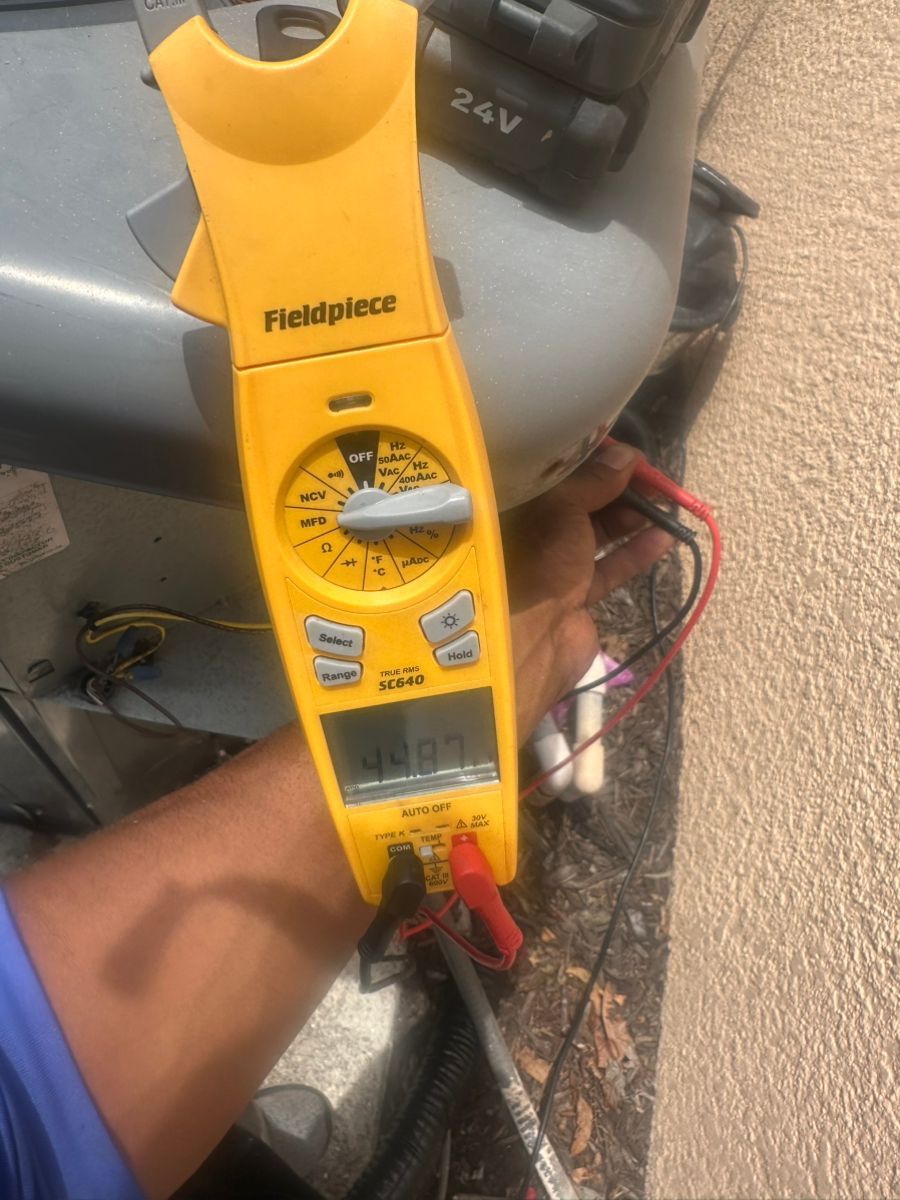
4. We check the electrical side too
Some of the most common no-cool calls come from normal electrical wear and tear.
That is why a real maintenance visit includes checking components like:
- capacitor readings
- motor amp draws
- contactor condition
- wiring and connections
These are the kinds of things that start failing gradually, before you notice anything at all. Catching wear-and-tear components early can mean the difference between a planned repair and a surprise breakdown on a hot afternoon.
5. We do not jump straight to invasive readings unless the system gives us a reason
This is an important one and differentiates us from many other AC companies.
A thoughtful maintenance visit starts with the least invasive checks first. If the system is cooling well, airflow looks good, and the basic readings are normal, there may not be a reason to open the refrigeration circuit just to “check pressures.”
If the system gives us a reason to go deeper, we do. But if the basics look good, we do not disturb the system more than necessary.
That approach gives better information while avoiding unnecessary steps.
6. We check the drain and moisture side of the system
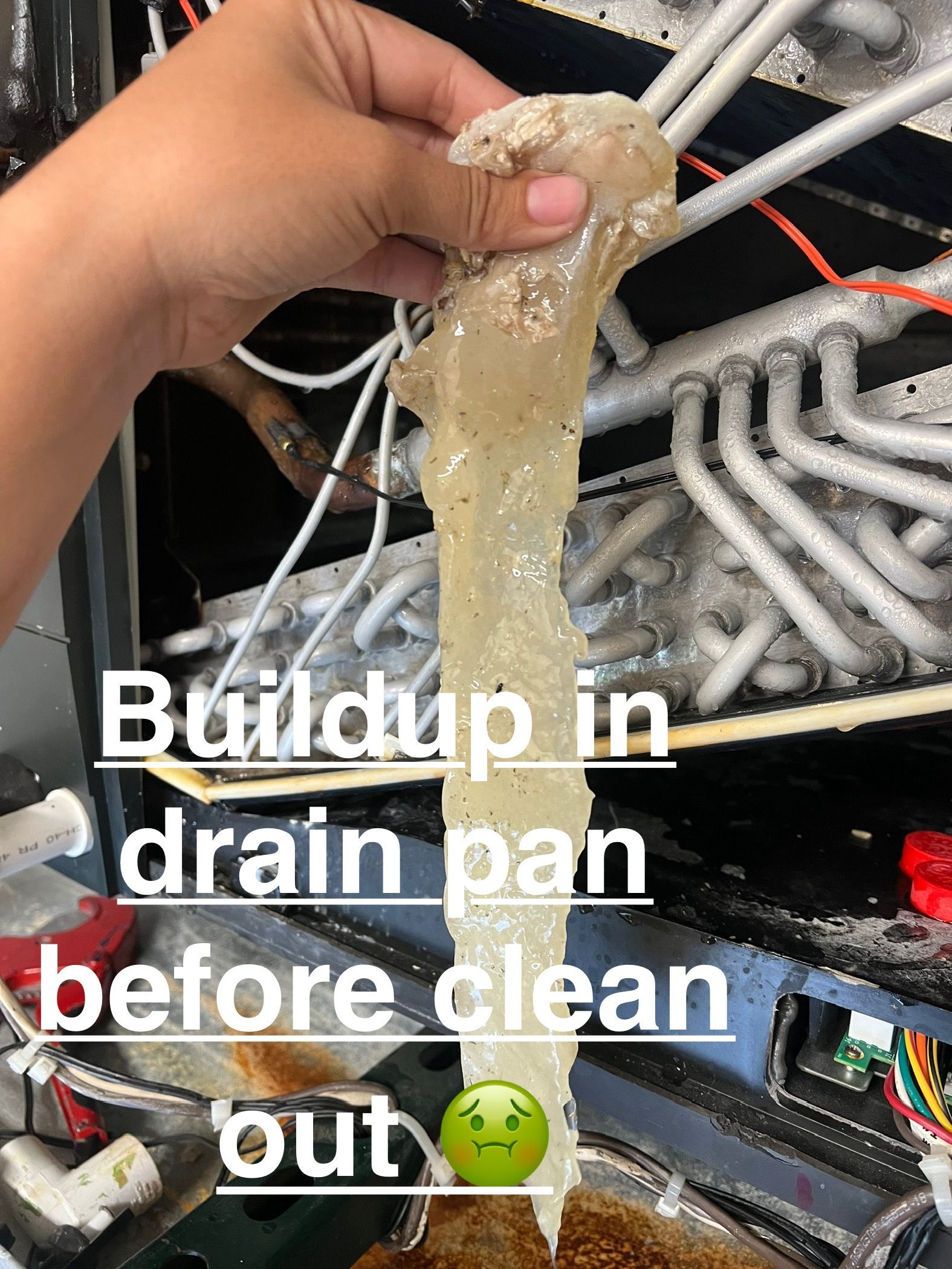
In Southwest Florida's humidity, drain issues are a big deal.
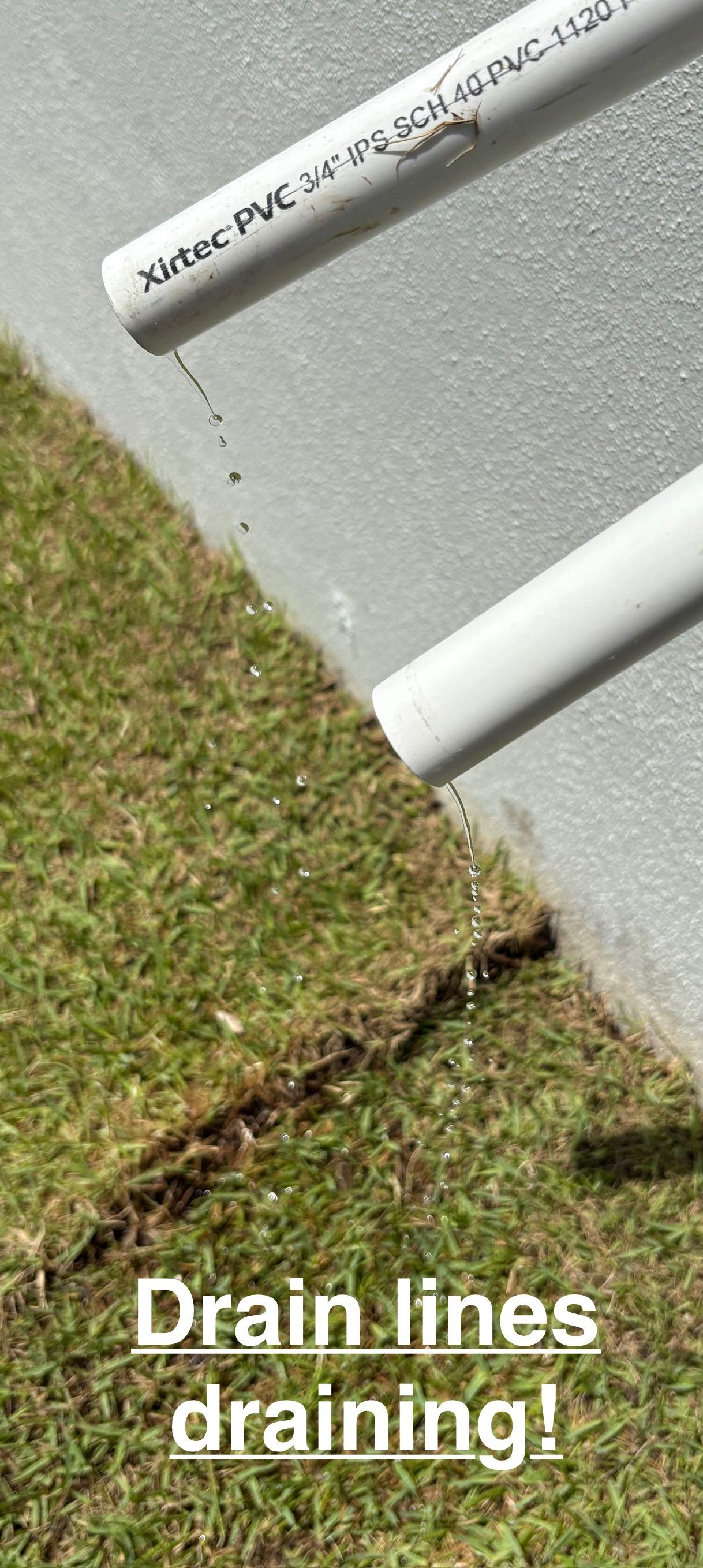
If the condensate line starts backing up, the float switch can shut the system off to prevent overflow and water damage.
#1 cause of no-cool calls: clogged drain lines.
A real maintenance visit should include clearing and checking the drain system, verifying safeties, and looking for signs of buildup or moisture-related issues before they turn into a service call.
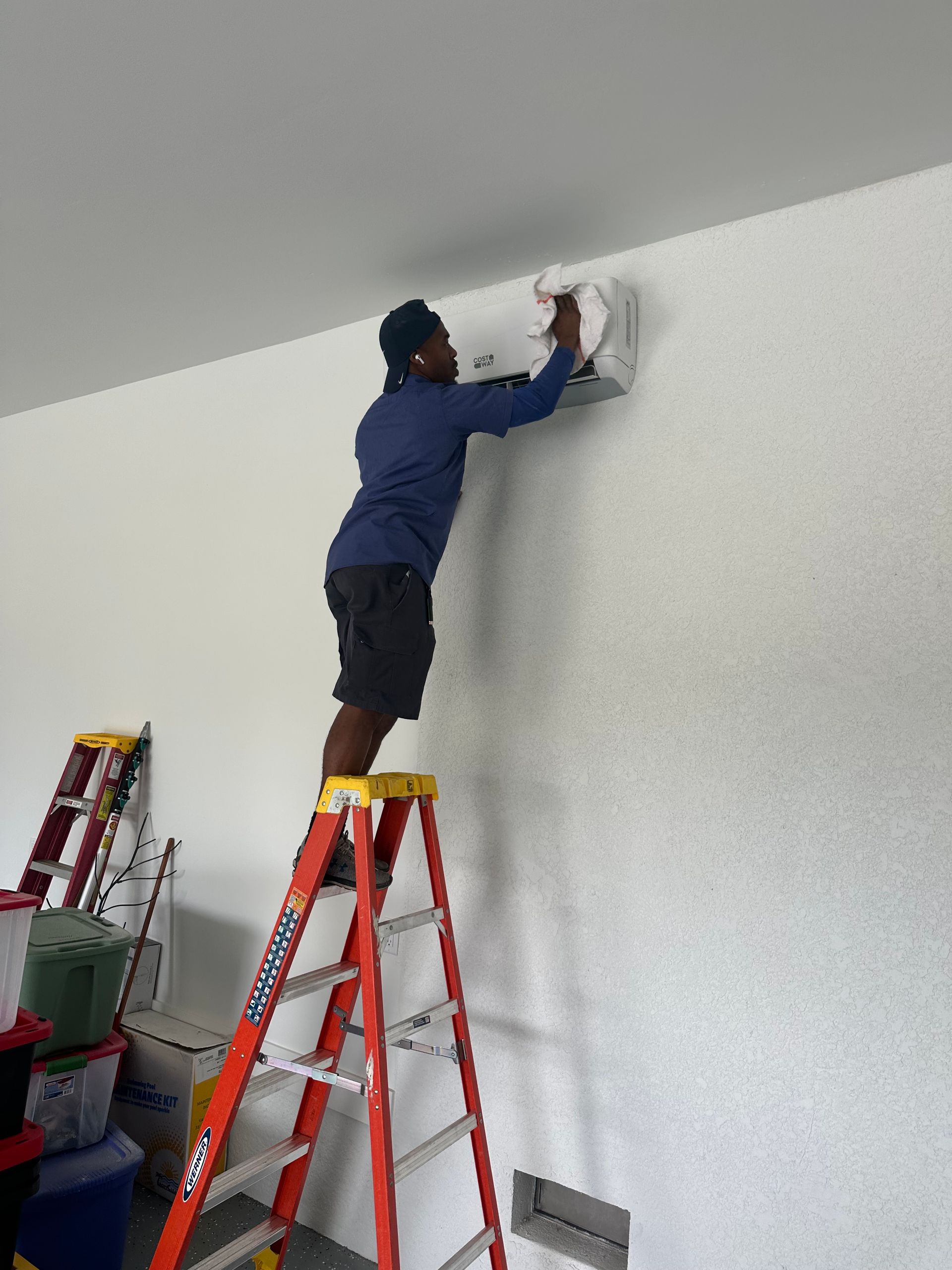
7. We clean what needs to be cleaned
Yes, cleaning is still part of maintenance. It just should not be the only part.
That can include:
- condenser coil cleaning
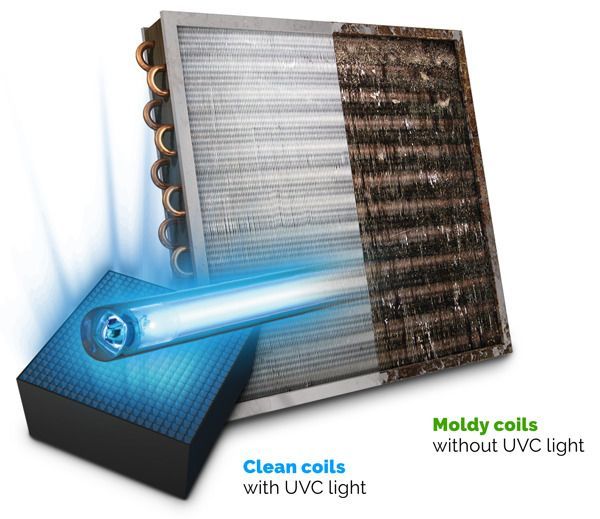
- evaporator treatment
- drain treatment
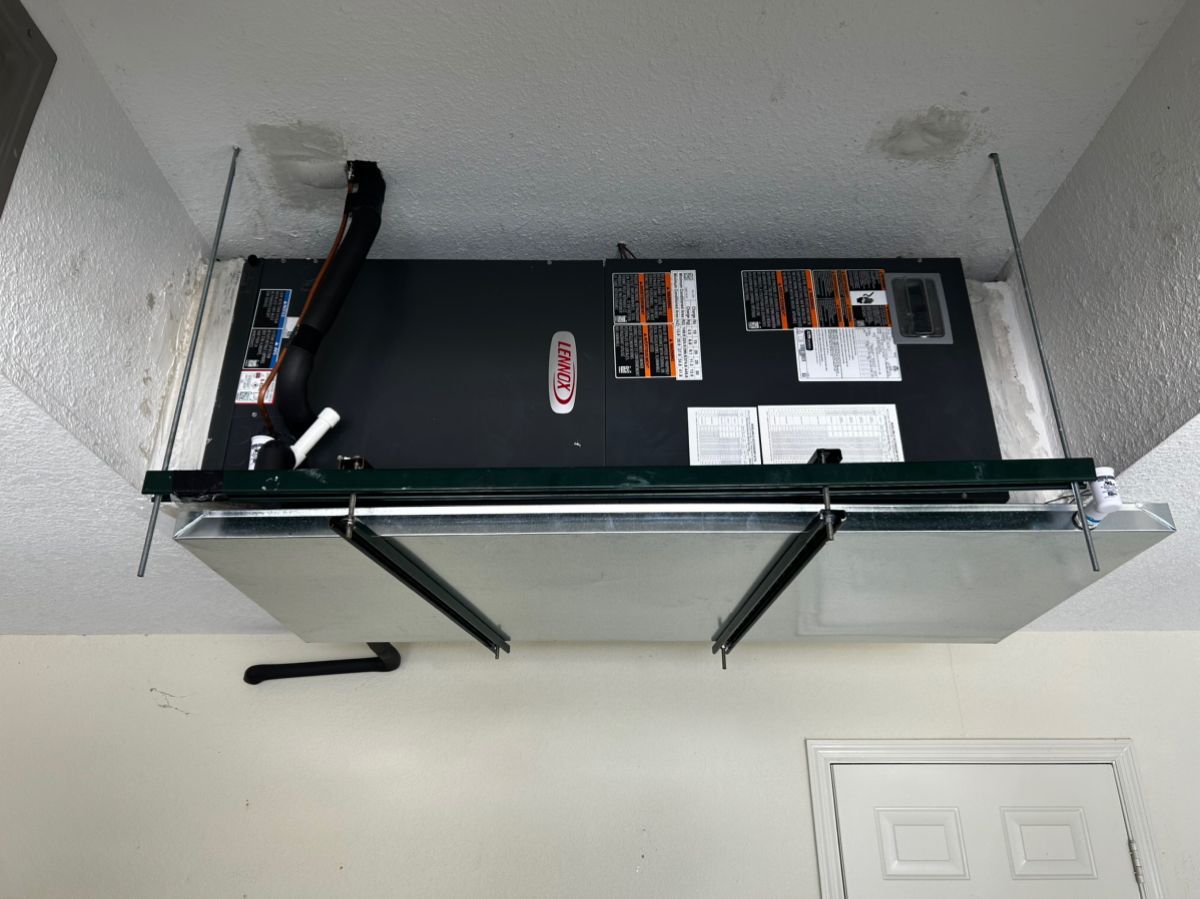
- wiping down the blower compartment
- checking for dirt buildup that affects performance
The point is not to make the system “look serviced.” The point is to help it actually operate better.
8. We leave you with real information
A good maintenance visit should leave you knowing more than “yeah the AC guy was here.”
You should have a clearer picture of:
- how the system is performing today
- what looks healthy
- what is wearing down
- what may need attention now
- what can likely wait
That is where photos, notes, and clear explanations matter. No surprises, no guessing, and no hard sells. Full transparency, every visit.
Why this matters
Maintenance is how you catch the small stuff before it becomes the expensive stuff.
A dirty filter can turn into airflow problems.
A weak capacitor can turn into a no-cool call.
A slow drain can turn into an overflow shutoff.
None of that is exciting, but that is exactly the point. Good maintenance is supposed to prevent exciting problems.
The Siggs takeaway
A real AC maintenance visit should do more than make the unit look clean on the outside. It should verify system performance, understand your indoor environment, check common failure points, catch developing issues early, and give you a clear picture of how your equipment is doing.
That is how we approach maintenance at Siggs AC: practical, thorough, and focused on what actually matters.