One of the most common
no-cool calls in Southwest Florida goes something like this:
“My AC was working fine, then it just stopped.”
“Now it’s back on again.”
“Now it’s off again.”
“What is going on?”
A lot of times, the answer is simple: your system is
off on float.
That does
not always mean the AC itself is broken. In many cases, it means the system is doing exactly what it was designed to do: shut itself off before water overflows and causes damage.
So what does “off on float” mean?
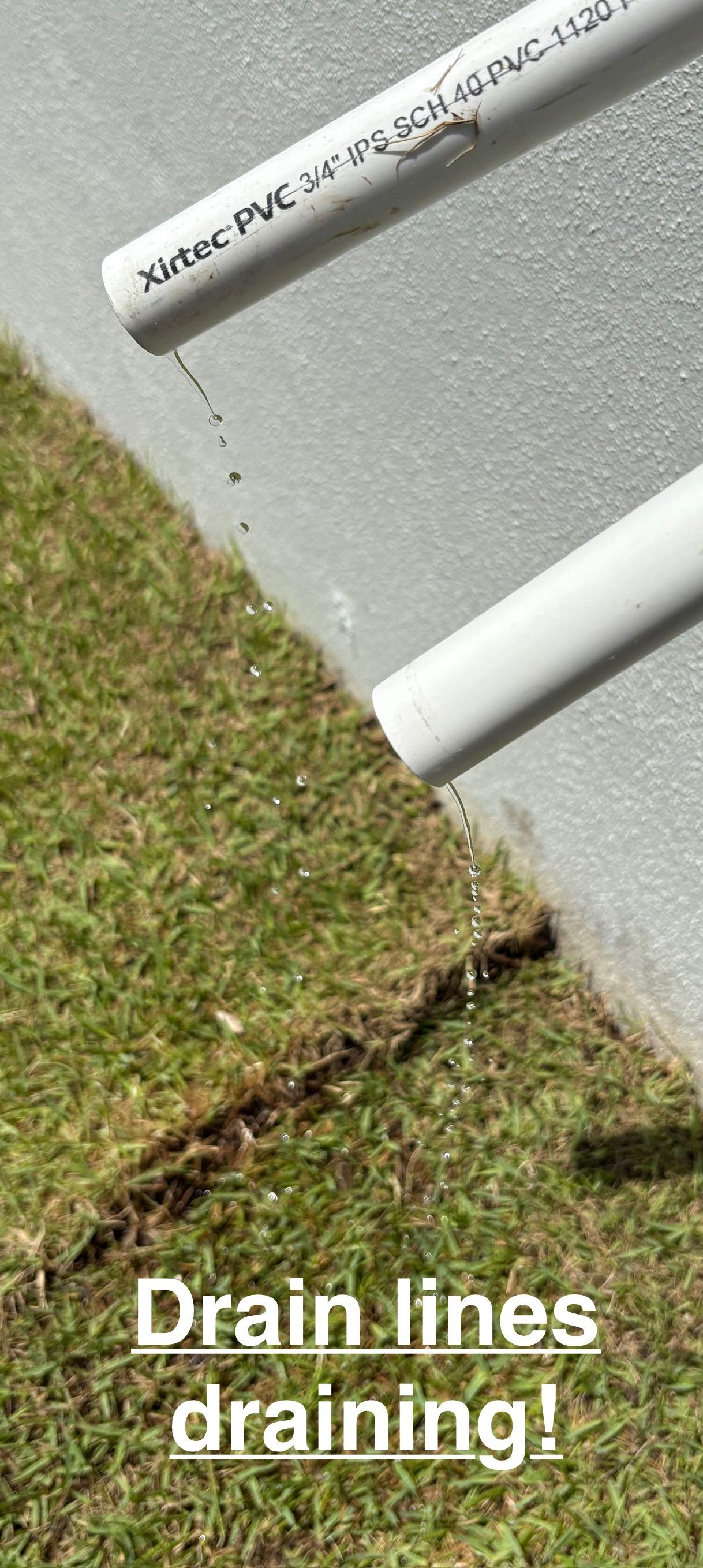
Your air conditioner removes humidity from the air while it cools your home. That moisture turns into water, and that water has to drain away properly through the condensate line.
If the drain line starts backing up, the water level rises. Once it gets high enough, the float switch trips and shuts the system off.
Think of it like a safety shutoff on a sump pump or a low-oil shutdown on an engine. It is there to protect something more important.
In this case, it is protecting your home from water damage.
Why does it seem to turn on and off randomly?
This is what makes float issues confusing.
Sometimes the drain line is not fully clogged yet. It is just restricted enough that water backs up, trips the float, then slowly drains down and lets the system come back on.
So from the property owner side, it feels random:
- the AC shuts off
- a little later it comes back
- then it shuts off again
That is why some people ignore it at first, or may not even notice the shutoffs at all. The system “starts working again,” so it seems like the problem fixed itself.
It usually didn’t.
Over time, the clog is getting worse.
What usually causes it?
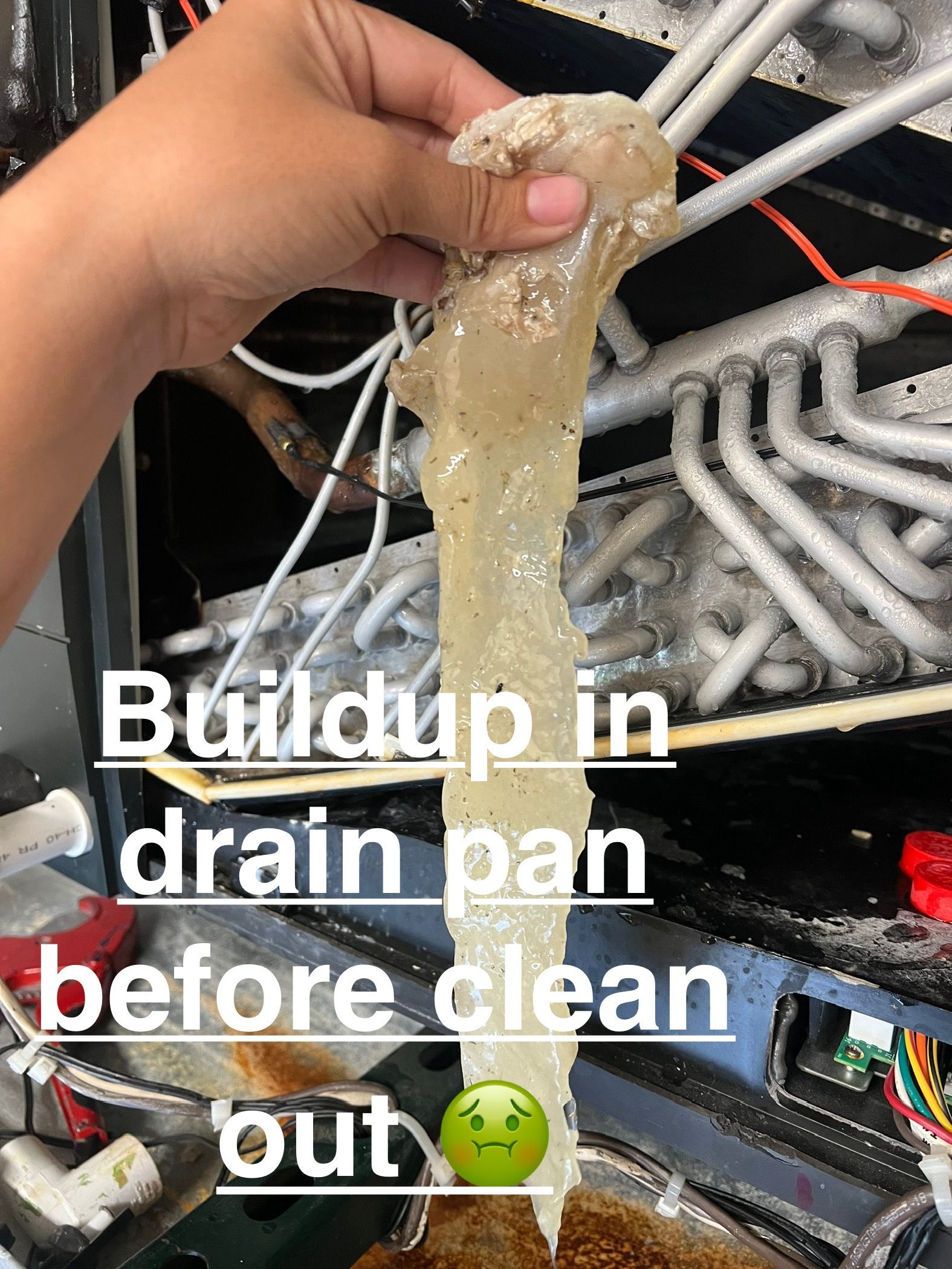
Most of the time, it comes down to drain buildup (technically called zoogloea, which translates to: slime-like grossness).
In Southwest Florida, your system is pulling a lot of moisture out of the air for a long stretch of the year. That means the drain system does a lot of work, and is almost always moist. Over time, buildup can collect in the line and restrict flow.
Sometimes that is all it is.
Other times, the drain problem is part of a bigger picture:
- dirty filters
- poor airflow
- dirty indoor components
- ice forming and thawing
- old buildup that was never fully cleared
- a system that has gone too long without maintenance
Said another way, the float switch is usually not the real problem. It is the messenger.
Can I just reset it and move on?
You can sometimes get the system back on temporarily if the water level drops enough, but that does not fix the reason it shut off in the first place. Putting a shop-vac on the outside drain line is part of the fix, but not the full solution.
That is where homeowners get stuck in the loop:
- reset or hookup a shop vac
- it cools for a little while
- it shuts off again
- repeat
If the drain line is restricted, the issue usually keeps coming back until it is actually cleaned out and checked properly.
Why this matters
The frustrating part is that a float switch issue can feel like a major AC breakdown when it really started as a
maintenance problem.
The good news is, that also means it is one of the more preventable no-cool calls we see.
Routine maintenance gives you a chance to:
- clear the drain before it backs up
- check that the float switch is working properly
- catch buildup early
- spot bigger airflow or moisture issues before they turn into a shutdown
This is exactly why we put so much emphasis on drain and moisture control during maintenance visits. It is not glamorous, but it saves a lot of hot afternoons.
What we look for when we get this call
When we respond to a system that is off on float, we are not just trying to flip it back on and leave.
We want to understand:
- why the drain backed up
- whether the restriction is minor or heavy
- whether there are airflow issues contributing to it
- whether the pan, float, or surrounding components show signs of recurring trouble
- whether there is anything else starting to snowball behind the scenes
That part matters, because the difference between a one-time clog and a repeating float problem usually comes down to what is causing it.
The Siggs takeaway
If your AC keeps shutting off on float, the system may not be “dead” at all. It may be doing its job and protecting your home from water damage.
The bigger issue is usually that the drain system needs attention, and the longer it is ignored, the more likely it is to keep happening.
Said another way: the float switch is not being annoying. It is waving a flag.
The fix is not just getting the system back on. The fix is solving the reason it shut off in the first place.