If you have priced an AC repair or replacement recently, you may have noticed something frustrating: HVAC prices do not sit still for very long, and have gone up significantly.
That does not mean every quote should feel like a mystery. It does mean there are real industry factors affecting equipment, materials, refrigerant, and installation costs before a contractor ever gets to your home.
At Siggs Air Conditioning, we believe customers deserve clear explanations, not vague answers. So let’s talk about why AC prices keep changing and what homeowners should know before making a repair or replacement decision.
Equipment costs are affected by more than the local contractor
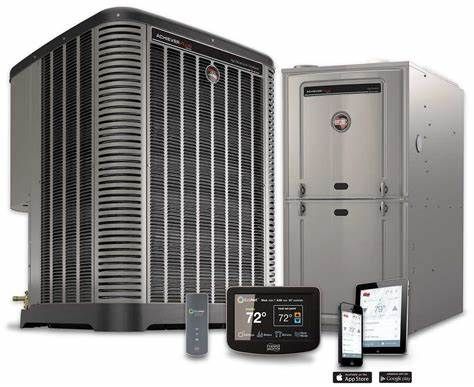
The price of a new AC system is not just the price of the box.
Equipment pricing is affected by:
So, when homeowners see AC prices move, it is usually not because one contractor suddenly decided to change prices for no reason.
The cost of doing the work is moving too.
Tariffs are back in the conversation
One of the big industry topics right now is tariffs.
ACCA, the
Air Conditioning Contractors of America, recently discussed how changes to Section 232 tariffs on steel, aluminum, and copper may affect HVACR equipment costs. ACCA specifically noted concern that certain HVACR equipment manufactured in Mexico could face a much higher effective tariff rate under updated rules, with costs likely moving through the supply chain to distributors, contractors, homeowners, and businesses.
That matters because HVAC equipment uses a lot of metal. Copper, aluminum, and steel show up throughout the system: coils, refrigerant lines, cabinets, components, brackets, and other materials.
If those input costs rise, equipment pricing usually follows.
Wholesale pricing may look flat month to month, but costs are still much higher than a few years ago
It is also important not to overreact to one monthly report.
Homepros recently reported that an HVAC-specific producer price index moved up only 0.3% from February to March, meaning wholesale HVAC equipment prices were relatively flat for that month. But the same report also noted the index was up 5.2% from March 2025 and 46.6% since March 2021.
That is the part customers feel.
Even if prices are flat for one month, the long-term cost base is much higher than it used to be.
So when a homeowner says, “Why does this cost so much more than my last system?” the answer is usually a combination of inflation, equipment changes, material costs, refrigerant changes, labor costs, insurance, code requirements, and manufacturer pricing.
From Q1 2025 to Q1 2026, the same system is up about 24%, on average across the major brands.
Manufacturer and distributor price increases are real
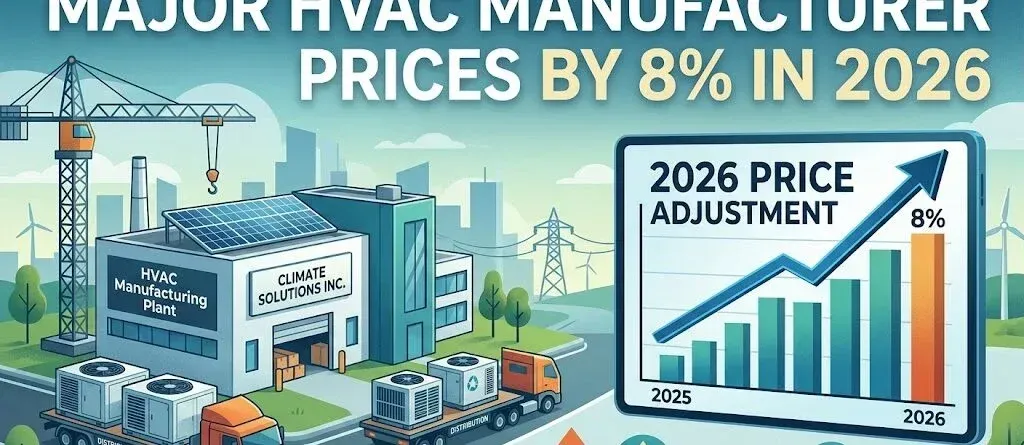
We also see increases directly through supplier and manufacturer increase letters. Nothing fancy, usually an email, that starts with a few comments on "commitment to transparency" or "supporting your business", but boils down to "effective on all orders shipped after May 18, 2026, prices will increase 8%". No negotiating, no rebate relief, just simply "want this stuff? it costs more now."
Those letters usually announce equipment or parts price changes a month or so before they take effect. Sometimes the increase is small. Sometimes it affects specific product lines. Sometimes it affects broad categories of equipment, parts, accessories, or materials.
That is one reason quotes cannot stay open forever. If equipment pricing changes after a proposal is written, the cost to complete the job may change too.
That is not a scare tactic. It is just how the industry works.
Why quote expiration dates matter
A proposal expiration date is not meant to pressure a customer.
It is meant to keep the quote accurate.
If a contractor prices a system today based on current equipment cost, current labor availability, current materials, and current distributor pricing, that quote may not still be accurate weeks or months later.
That is especially true during periods of manufacturer increases, refrigerant transitions, or tariff-related uncertainty.
At Siggs AC, we would rather explain that clearly than surprise someone later. To help offset increases, we'll warehouse equipment for our customers at no charge, giving customers the ability to lock in pricing now, avoiding future increases.
Repair vs. replacement matters more when prices are moving
When equipment costs are rising, the
repair-or-replace decision becomes even more important.
Sometimes repairing the existing system is absolutely the right answer.
Other times, putting more money into an older system may not make sense, especially if:
- The system is out of warranty
- Major components are failing
- Refrigerant issues are present
- The system has repeated breakdowns
- The system is inefficient
- Comfort or humidity control is poor
- The repair cost is high compared to replacement value
Price changes do not mean every older system should be replaced immediately. They do mean homeowners should understand the full picture before spending any money.
Financing can help, but it should not hide the real cost
Financing can be helpful when a replacement is the right decision, especially because AC replacement is usually an unplanned major expense.
But financing should not be used to hide the price or rush a decision.
The customer should still understand:
- What equipment is being installed
- What work is included
- What warranty applies
- What permits are required
- What the total cost is
- What the monthly payment means
- What happens if equipment pricing changes later
- What the price would be without financing
A monthly payment can make a project more manageable, but the recommendation should still make sense. Unfortunately, some companies use financing as an avenue to price gouge.
What homeowners can do
If you are thinking about AC replacement or facing a major repair, here are a few practical steps:
- Get the system properly diagnosed.
- Ask whether the repair is temporary or long-term.
- Ask whether the equipment is under warranty.
- Ask what is included in the quote.
- Ask how long the proposal is valid.
- Ask whether permits are included when required.
- Ask whether financing is available.
- Ask what could change if you wait.
A good contractor should be willing to explain the numbers clearly. For example, parts warranties are from the original equipment manufacturer and historically have been either 5 or 10 years for residential systems.
The Siggs takeaway
AC pricing keeps changing because the industry keeps changing.
Tariffs, wholesale equipment costs, manufacturer increases, refrigerant changes, supply-chain pressure, insurance, labor, and code requirements all affect what homeowners see on repair and replacement quotes.
That does not mean homeowners should panic.
It means they should work with a contractor who explains the options clearly, diagnoses the system properly, and helps them decide whether repair or replacement makes the most sense.
At Siggs AC, our goal is not to push the most expensive option. Our goal is to explain what is happening, what it costs, what can wait, and what should not be ignored. It's up to the property owner to choose the best path forward.
No pressure. No surprises. Just practical recommendations and AC work done right.