When Southwest Florida weather turns hot, humid, and stormy, AC drain problems become a lot more common.
That is not a coincidence.
Your air conditioner is not just cooling your home. It is also removing moisture from the air. The more humid it is outside, the more moisture your system has to pull out of the air inside.
That moisture condenses into water on the indoor coil, then drains away through the condensate line.
So when the weather feels heavy, sticky, and stormy, your AC drain system is working harder than ever.
Your AC is also a dehumidifier
A lot of homeowners think of the AC as a cooling machine focused on temperature, but for Southwest Florida, humidity removal is just as important.
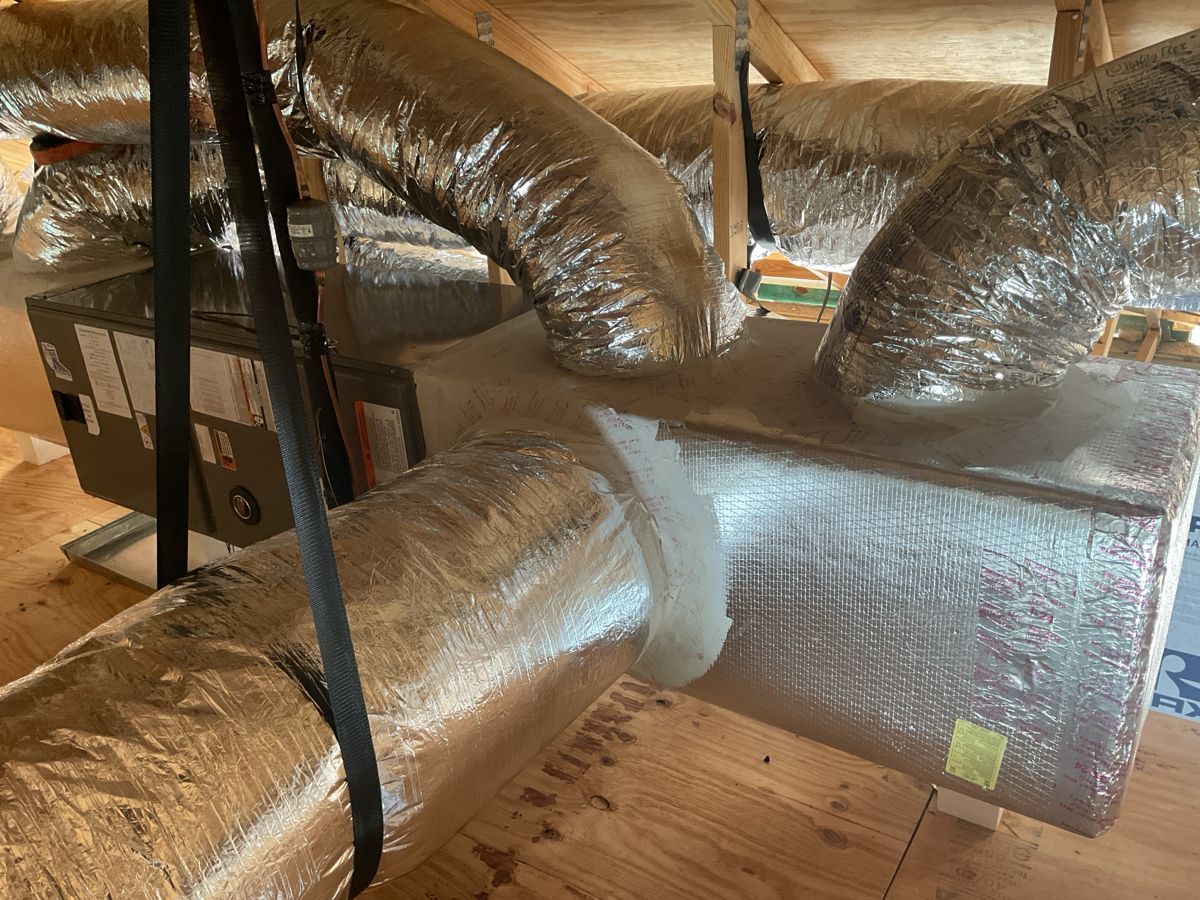
As part of normal operation, warm, humid air passes over the cold evaporator coil inside your air handler. As the air cools, moisture condenses on the coil and drips into the primary drain pan. From there, the water should flow through the condensate drain line and safely discharge outside.
That is normal and expected.
The problem starts when the drain line cannot keep up.
Why drain lines clog
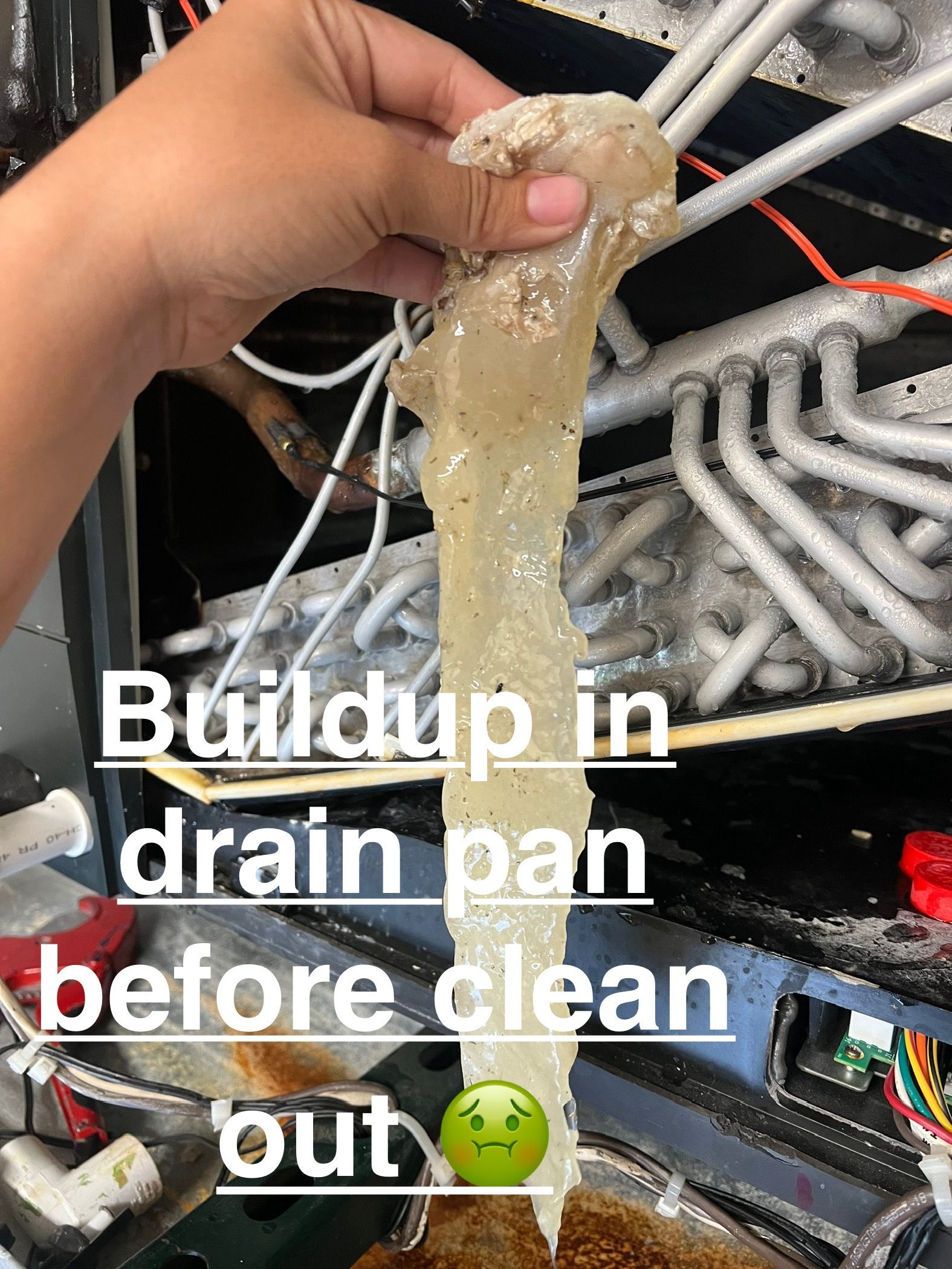
AC drain lines stay wet for much of the year in Southwest Florida due to our relatively high humidity. Over time, that moisture can lead to buildup inside the line.
That buildup can restrict the flow of water, especially during the hottest and most humid parts of the year when the system is producing more condensate.
At first, the issue may be small. The system may shut off, then come back on after the water slowly drains down. You may not even notice this happening since the comfort impact inside may be minimal.
Eventually, the clog can get bad enough that the system stays off for long enough that it can't recover and your indoor temperature rises.
That is when homeowners usually call and say:
“My AC was working, then it stopped.”
“It came back on for a while, then shut off again.”
“The thermostat is set right, but the house is getting hot.”
A lot of times, the system is off on float.
What “off on float” means
Most systems have a float switch or overflow safety device. When water backs up in the drain pan or drain line, the float switch trips and shuts the system off.
That can be frustrating, but it is doing an important job.
It is trying to prevent water from overflowing and damaging your home.
So the AC may not be broken in the way people first assume. It may be shutting down because the safety switch is protecting the property from a drain overflow.
The float switch is not usually the real problem.
It is the warning sign.
Why this happens more during humid weather
During drier, milder weather, your AC may not remove as much water from the air.
During hot, muggy weather, the system runs more and pulls more moisture out of the air. That means more water moving through the drain system.
If the drain line is already partially restricted, the extra moisture load can push it over the edge.
That is why drain problems often show up when the weather gets heavier, stickier, and more uncomfortable.
The drain may have been building up for weeks or months. The humid weather just exposes it.
Afternoon storms can make it feel worse
Summer storms add another layer.
Before and after storms, humidity can stay high. The air feels heavy. The home may feel muggy. The AC may run longer, and the drain line keeps working. If you see the roads steaming on a hot afternoon, your AC is working overtime!
If the system is already close to tripping on float, this kind of weather can make the problem show up faster.
That is one reason routine maintenance matters before the deepest part of summer.
What homeowners can check
If your AC shuts off or the house starts getting warm, start simple:
- Check the thermostat.
- Check the filter.
- Look around the indoor air handler for water.
- Listen for the system starting and stopping frequently without reaching temperature.
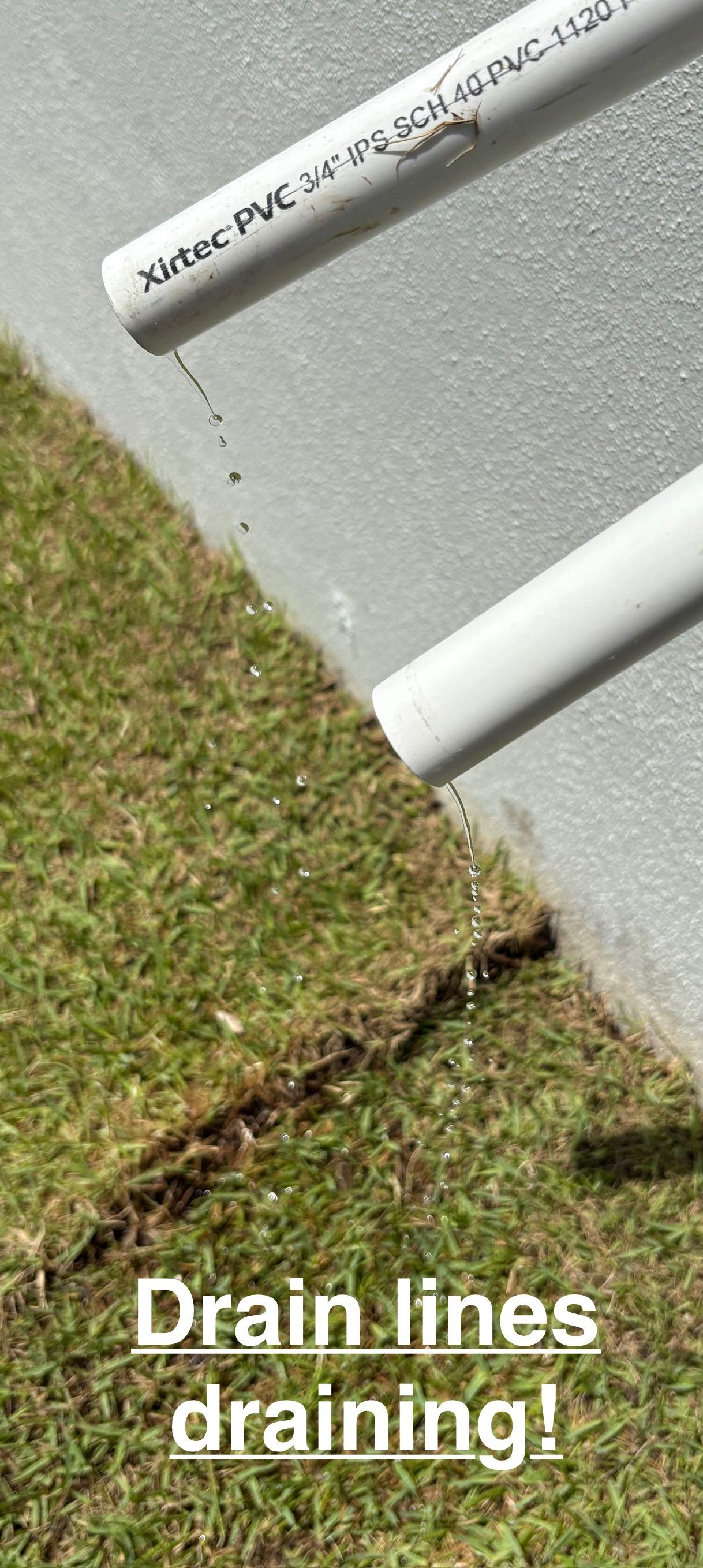
- Check whether the outside drain line is dripping steadily.
Do not keep resetting the system over and over if water is backing up. The system may be trying to protect your home from overflow.
Why a shop vac is not always the full fix
A shop vac on the outside drain line can help pull out a clog, but it is not always the full solution.
If there is heavy buildup in the line, poor drain pitch, a dirty pan, recurring sludge, or an airflow issue contributing to moisture problems, the clog may come back.
That is why we like to check the full drain and moisture picture, not just get the system running and leave.
What Siggs AC looks for
When we get a "no-cool" call that sounds like a drain or float switch call, we look for:
- Water in the pan
- A tripped float switch
- A restricted condensate line
- Drain line buildup
- Drain pan condition
- Proper drainage
- Filter condition
- Airflow concerns
- Signs of freezing and thawing
- Recurring moisture issues
The goal is to solve the reason the system shut off, not just reset it temporarily. If your system is turning off, it's doing what it's designed to do, and may be logging an error code that can help us diagnose it - resetting by flipping breakers or turning off/on quickly can erase error codes and can affect the technician's ability to diagnose properly.
The Siggs takeaway
If your AC shuts off during hot, humid weather, do not assume the worst.
It may be off on float because the drain line is restricted and the system is trying to protect your home from water damage.
In Southwest Florida, drain lines do a lot of work. Humid weather, long run times, and afternoon storm patterns all increase the amount of moisture your AC has to remove from the air.
Routine maintenance helps catch drain issues before they turn into emergency no-cool calls.
No guessing. No pressure. Just practical diagnosis and clear recommendations to keep your home comfortable.