A lot of homeowners think AC sizing is simple.
Bigger house, bigger system.
Hot climate, bigger system.
Problem room, bigger system.
But AC sizing is more complicated than that.
In Southwest Florida, the wrong size system can create comfort problems, humidity issues, higher operating costs, short cycling, poor airflow, and premature wear.
Bigger is not always better.
What AC “size” means
When people talk about AC size, they are usually talking about tonnage.
1.5-ton, 2-ton, 3-ton, 4-ton, etc.
Tonnage is a measure of cooling capacity. It does not mean the system weighs that much.
The right size depends on how much heat the home gains and how much cooling the home actually needs.
Square footage is only a starting point
Square footage matters, but it is not the whole answer.
Two homes with the same square footage may need different system sizes because of:
- Insulation
- Windows
- Wall type
- Ceiling height
- Ductwork
- Orientation
- Roof type
- Shade
- Attic conditions
- Air leakage
- Number of occupants
- Appliances and internal loads
- Room layout
- Coastal exposure
That is why “tons per square foot” rules can be misleading.
They might be useful for rough conversation, but they should not be the only basis for a replacement decision.
Oversized systems can cause comfort problems
An oversized AC system may cool the home quickly, but that is not always a good thing.
If the system satisfies the thermostat too fast, it may shut off before it has run long enough to remove moisture from the air.
That can make the home feel cold, but clammy.
In Southwest Florida, humidity control is a big part of comfort. A system that is too large can make humidity problems worse, especially if it is a basic single-stage unit.
Oversizing can also contribute to short cycling, uneven temperatures, and extra wear on components.
Undersized systems have problems too
Undersizing is also a problem.
An undersized system may run constantly, struggle to reach temperature, and leave the home uncomfortable during the hottest parts of the day.
It can also increase wear because the system is working hard for long periods without catching up.
The goal is not bigger or smaller.
The goal is right-sized.
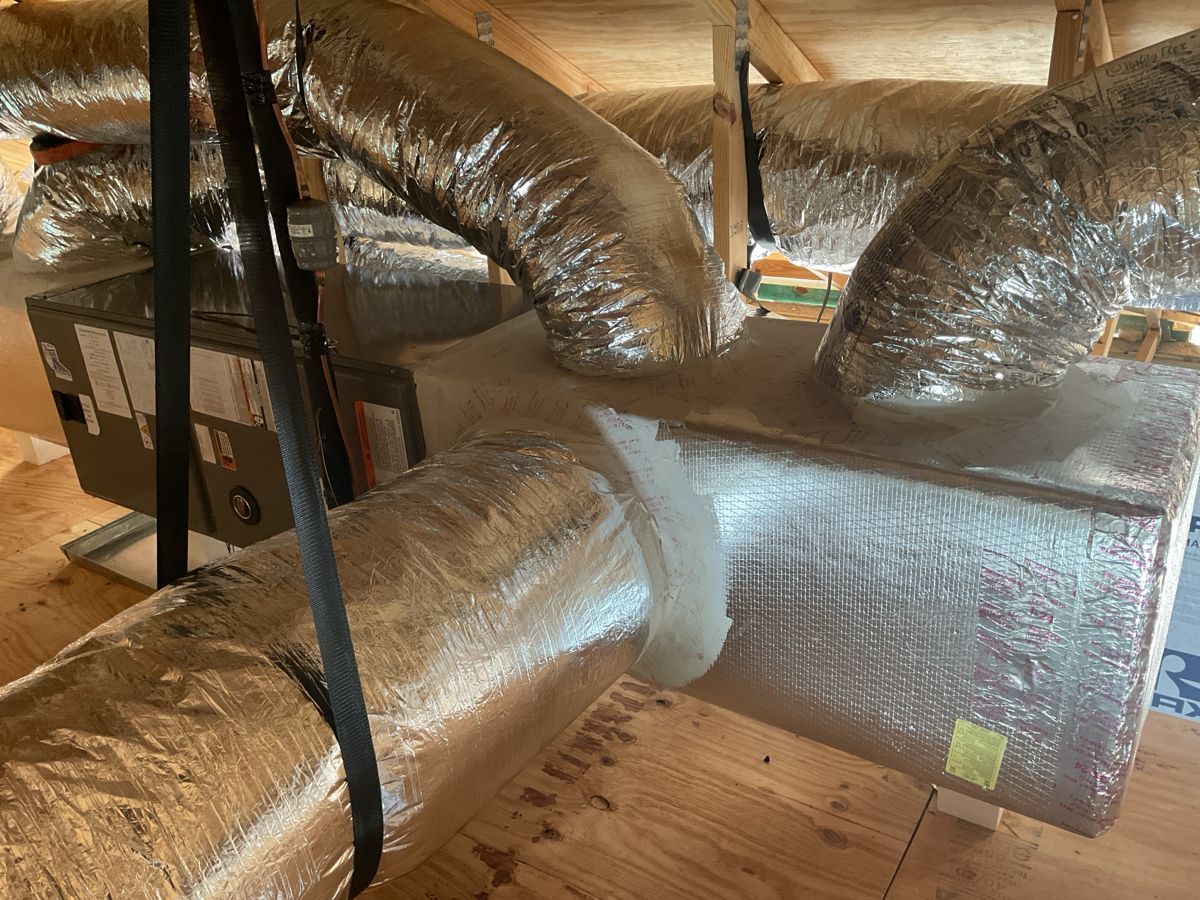
Ductwork must match the system
Even if the equipment size is right, the ductwork still has to support it.
A larger system needs enough return air, enough supply air, proper duct sizing, proper filtration, and reasonable static pressure.
If the ductwork is restricted, undersized, leaking, or poorly designed, simply installing a larger unit may make problems worse.
That is why we look at the whole system, not just the outdoor unit.
Variable capacity changes the conversation, but not the fundamentals
Variable capacity systems can adjust output and run longer at lower speeds. That can improve comfort and humidity control when designed and installed properly.
But variable capacity does not mean sizing no longer matters.
A premium system still needs proper ductwork, correct setup, and a reasonable match to the home.
Technology helps, but it cannot overcome the basics.
The right size starts with the right questions
Before replacing a system, homeowners should ask:
- Is the current system keeping up?
- Does the home feel humid?
- Are some rooms hotter than others?
- Has the home been remodeled?
- Has insulation changed?
- Are the ducts in good shape?
- Is the return air adequate?
- Are there comfort complaints besides temperature?
- Is the current system short cycling or running constantly?
Those answers matter.
The Siggs takeaway
The right AC size is not just about square footage.
It is about the home, the ductwork, humidity, airflow, heat load, comfort expectations, and equipment type.
A system that is too small may not keep up. A system that is too large may cool quickly but fail to control humidity properly.
At Siggs AC, we help homeowners choose practical system options based on how the home actually performs, not just a quick rule of thumb.
The goal is comfort that makes sense.