One of the most common comfort complaints sounds like this:
“The house feels fine, but one room is always hot.”
Sometimes it is a bedroom.
Sometimes it is an office.
Sometimes it is a bonus room, garage conversion, or room over the garage.
The thermostat may be satisfied, but that one space still never feels right.
That can be frustrating, especially when the AC system seems to be working.
The thermostat only measures one area
Your thermostat only knows what is happening where it is located.
If the thermostat is in the hallway or near the main return, it may be satisfied even while a bedroom or office is still warm.
That does not mean the system is doing nothing. It means the system may be controlling the temperature in one part of the home better than another.
Comfort is room-by-room. The thermostat is not.
Airflow is usually the first thing to check
Hot rooms are often airflow problems.
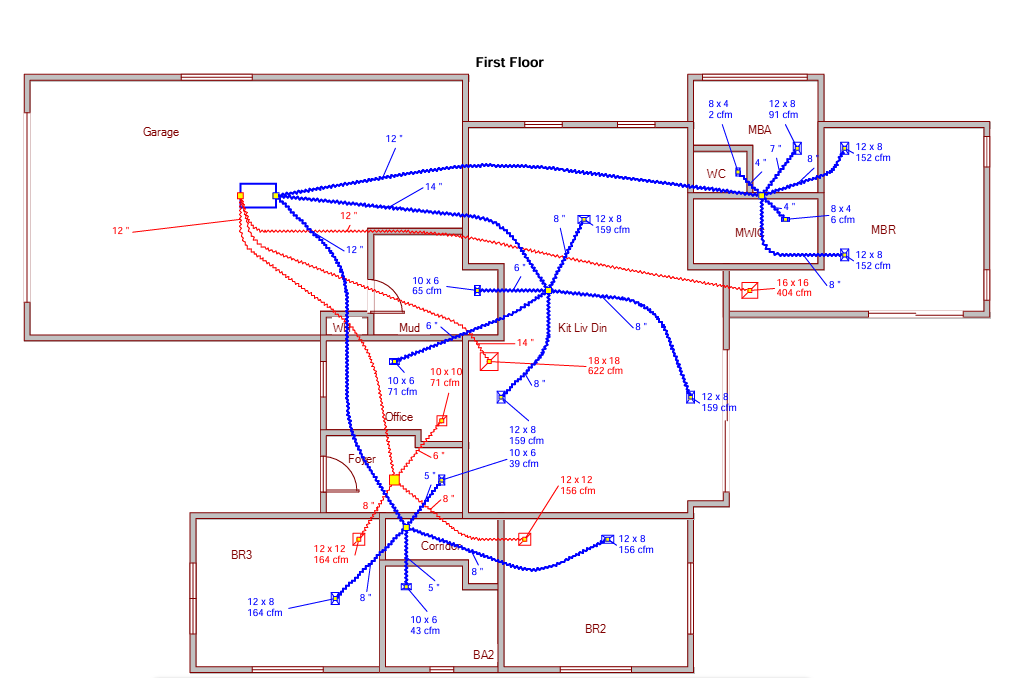
The room may not be getting enough supply air, or it may not have a good return air path.
Common airflow issues include:
- Undersized supply duct
- Long duct run
- Kinked or crushed flex duct
- Dirty filter
- Dirty coil or blower wheel
- Closed or blocked grille
- Poor return air
- Door pressure problems
- Duct leakage
- Poor original duct design
If the room cannot get enough conditioned air, it will not feel the same as the rest of the home.
Return air matters
People often focus only on supply vents, but return air is just as important.
For air to enter a room, air also has to leave the room.
If a bedroom door is closed and there is no good return path, the room can become pressurized. That can reduce supply airflow and create comfort issues.
This is why returns, transfer grilles, jump ducts, door undercuts, and overall duct design matter.
A room does not just need cold air. It needs air movement.
Heat load can be different room to room
Some rooms gain more heat than others.
A room may be harder to cool because of:
- West-facing windows
- Poor insulation
- High ceilings
- Large glass areas
- Attic exposure
- Garage exposure
- Electronics or equipment
- More people using the room
- Poor shade
- Additions or remodels
The AC system may be sized for the house overall, but that does not mean every room has the same load.
Ductwork may not match the room anymore
Homes change over time.
Rooms get converted.
Windows get replaced.
Insulation gets added.
Doors get changed.
Additions get built.
Families use rooms differently.
Sometimes the ductwork was never designed correctly. Other times, the home changed and the ductwork did not.
That is why a hot room should be evaluated based on current conditions, not just what was installed years ago.
What we look for
When Siggs AC checks a hot-room complaint, we look at more than the thermostat.
We may check:
- Supply airflow
- Return path
- Filter condition
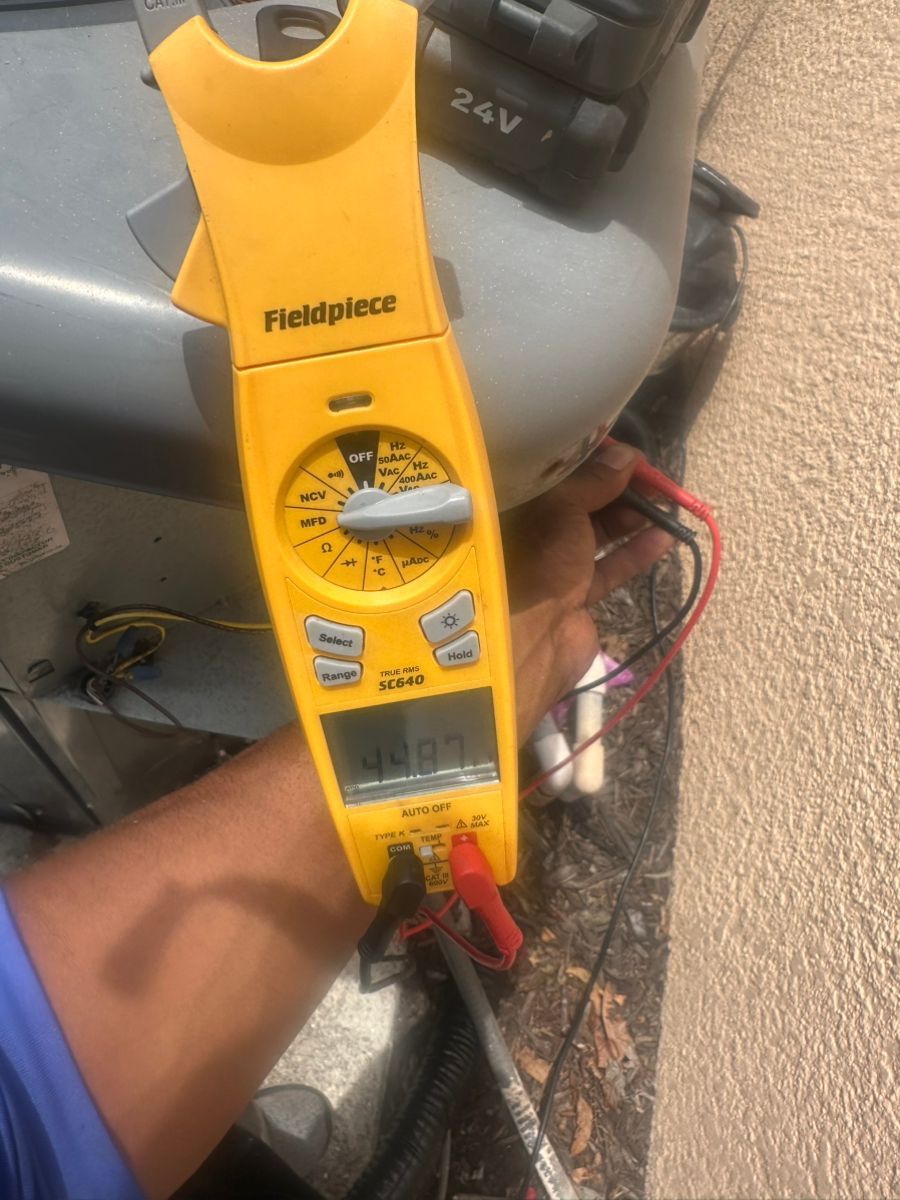
- Static pressure
- Duct condition
- Duct sizing
- Grille location
- Room exposure
- Equipment performance
- Temperature difference
- Door pressure issues
- Signs of duct leakage or restriction
The goal is to understand whether the problem is the room, the ductwork, the equipment, or the design.
The Siggs takeaway
If one room is hotter than the rest of the house, the fix is not always turning the thermostat lower.
That may make the rest of the house too cold while the problem room still struggles.
The better answer is to find out why the room is not getting or holding comfort properly.
- Sometimes it is a simple airflow issue.
- Sometimes it is ductwork.
- Sometimes it is return air.
- Sometimes it is heat load.
- Sometimes the space needs a different solution.
No guessing. Just practical diagnosis and clear options.